Depend On Professional Workmanship for Tailored Legs For Kitchen Island Concepts
Vital Aspects to Think About When Selecting Legs For Kitchen Island
Picking the ideal legs for a cooking area island includes a cautious assessment of numerous aspects that can substantially influence both capability and visual appeal. Amongst these, the selection of material plays a pivotal duty in making sure sturdiness, while the design has to match the existing design. Furthermore, factors to consider such as height and weight assistance are necessary for stability and convenience. As we check out these elements, it comes to be clear that each decision can have far-ranging implications for the total kitchen experience. What subtleties should be thought about in each of these groups to accomplish the excellent balance?
Product Options
When selecting legs for a kitchen area island, recognizing the different product choices is crucial for attaining both aesthetic allure and architectural stability (Legs For Kitchen Island). The option of material considerably influences not only the toughness of the island but additionally its overall design and performance
Timber is a popular option, using heat and versatility. Solid hardwoods, such as oak or maple, offer stamina and can be discolored or repainted to match the cooking area decor. Metal legs, frequently made from stainless steel or functioned iron, add a commercial and modern-day feeling while making certain durability and stability. These materials are resistant to wear and can support substantial weight, making them ideal for larger islands.
An additional choice is engineered materials, like MDF or plywood, which can be more cost-efficient while still supplying a series of surfaces. Nevertheless, they may not give the very same level of stability as strong timber or metal. Finally, materials such as acrylic or glass can create a modern look, though they might need extra assistance to make sure stability.
Ultimately, the option of material for cooking area island legs must align with the wanted functionality and the total style of the cooking area.
Design and Design

When considering style, the shape and finish of the legs are crucial. Tapered legs can offer a sense of lightness and elegance, while thicker, more robust legs can convey toughness and stability. Furthermore, the surface-- be it painted, stained, or natural-- need to enhance the kitchen cabinetry and kitchen counter products to produce a unified look.
Moreover, the layout of the legs can additionally show personal taste. Custom or attractive legs, such as those including complex carvings or unique geometric forms, can work as focal points, adding personality and character to the kitchen area. Ultimately, the appropriate option will not just improve functionality but additionally raise the aesthetic allure, making the kitchen area island a standout feature of the home.
Elevation Considerations
Choosing the suitable elevation for cooking area island legs is vital, as it directly affects both capability and comfort. The common height for a kitchen area island commonly ranges from 36 to 42 inches, lining up with usual countertop heights.
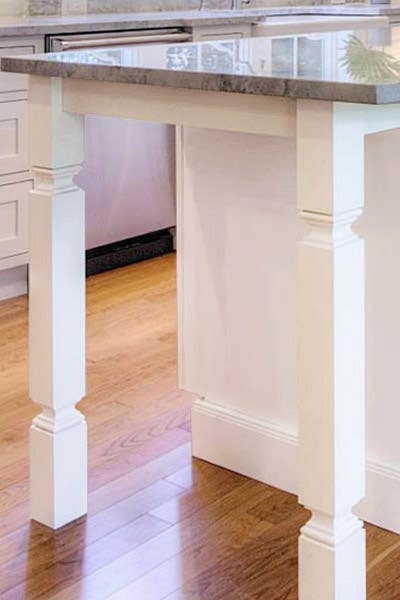
It is likewise important to account for customers' heights and choices. Tailoring the height can ensure a comfy experience for all member of the family, making the kitchen area island a more delightful and practical space.
Weight Assistance
Guaranteeing ample weight support for cooking area island legs is important for both safety and security and performance. The cooking area island typically offers several objectives, including cooking, dining, and extra storage space, requiring a durable support structure. When picking legs, it is essential to take into consideration the overall weight capability called for based on the island's meant usage and the materials that will be put on it.
The choice of material for the continue reading this legs plays a substantial role in their weight-bearing abilities. Solid timber, steel, and heavy-duty composites normally provide exceptional stamina contrasted to lighter materials. Additionally, the style of the legs-- whether they are right, tapered, or have a pedestal kind-- can influence their ability to distribute weight properly throughout the structure.
Furthermore, the leg placement must be purposefully planned to enhance stability. Legs positioned at the corners or with a broader base can much better sustain larger lots. Constantly consult the producer's specs pertaining to tons restrictions to make certain that the legs can maintain the intended weight without jeopardizing security. In summary, selecting kitchen area island legs with appropriate weight assistance is vital for creating a secure and practical cooking space.
Setup and Maintenance
Appropriate setup and maintenance of cooking area island legs are essential for making sure durability and stability. To start, it is important to comply with the manufacturer's standards throughout installation. This often entails protecting the legs to the island base making use of proper fasteners, making certain that the legs are level and aligned. Using a degree tool can aid stop wobbling and boost the overall visual charm of the cooking area island.
As soon as set up, normal maintenance is needed to preserve the stability and look of the legs - Legs For Kitchen Island. For wooden legs, regular cleansing with a moist cloth and application of view publisher site appropriate timber polish can stop dampness damage and preserve their coating. Steel legs may need a mild cleaning option to get rid of grease and grime, complied with by a completely dry cloth to avoid corrosion development
Additionally, examine the legs regularly for signs of wear or damage, such as cracks or loose joints. Tightening screws or bolts as needed can also prolong the lifespan of the legs. By sticking to these setup and upkeep methods, house owners can make certain that their cooking area island continues to be tough and aesthetically appealing for several years ahead.
Verdict
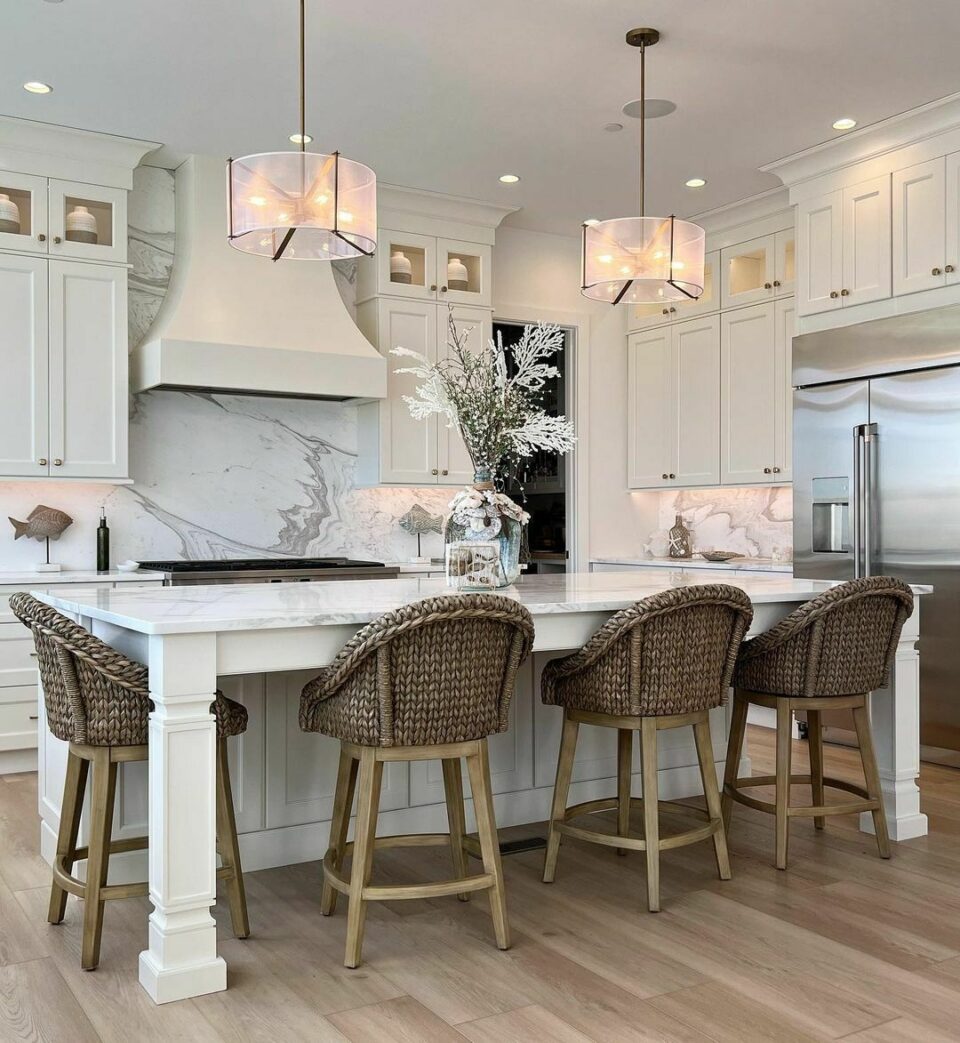
Aesthetic coherence is vital in picking the design and design of legs for a kitchen island, as these aspects considerably affect the total setting of the room. Conical legs can provide a sense of lightness and beauty, while thicker, a lot more durable legs can communicate stamina and security.Selecting the proper elevation for cooking area island legs is critical, as it straight influences both performance and convenience. In summary, picking cooking area island legs with ample weight assistance is vital for producing a risk-free and functional cooking area.
In verdict, picking legs for a kitchen island demands mindful factor to consider of various aspects, consisting of material options, style, height, weight assistance, and installation.