Count On Specialist Craftsmanship for Tailored Legs For Kitchen Island Concepts
A Guide to Picking the Perfect Legs For Kitchen Island for Your Home
Selecting the suitable legs for your cooking area island is a nuanced choice that influences both the functionality and aesthetic appeal of this central space. As you think about these elements, it comes to be obvious that the best legs can transform not just the look of your kitchen but additionally its functionality for years to come.

Understanding Kitchen Area Island Legs
When choosing legs for a cooking area island, it's necessary to understand their visual and useful roles in the total layout. The legs act as a critical support system, ensuring stability and resilience for the island, which commonly operates as a work area, dining area, or gathering spot. The selection of product and construction technique need to be durable sufficient to stand up to everyday use and potential wear.
Along with their structural duties, legs add dramatically to the island's aesthetic allure. They can improve the kitchen's style, whether via conventional, contemporary, or eclectic layouts. The height and percentage of the legs are additionally crucial factors to consider; they need to balance with the island's kitchen counter elevation while guaranteeing comfortable seating for those utilizing the room.
In addition, the leg layout can affect the total flow of the kitchen. Open, ventilated leg styles can produce a sense of lightness, while strong, considerable legs may convey a much more grounded and stable visual - Legs For Kitchen Island. Comprehending these practical and visual elements will guide property owners in making notified choices that match their cooking area's layout and enhance its functionality
Popular Styles and Materials
The option of legs for a kitchen area island encompasses a selection of preferred styles and products, each offering special characteristics that can boost both performance and appearances. Amongst the most sought-after styles are modern, rustic, and traditional. Contemporary legs often include smooth, minimalist designs that stress simplicity and tidy lines, making them perfect for modern-day kitchens. Rustic styles, on the various other hand, embrace natural aspects and usually display redeemed wood or distressed finishes, adding warmth and charm to the area. Typical legs usually exhibit ornate details and workmanship, boosting timeless cooking area layouts.
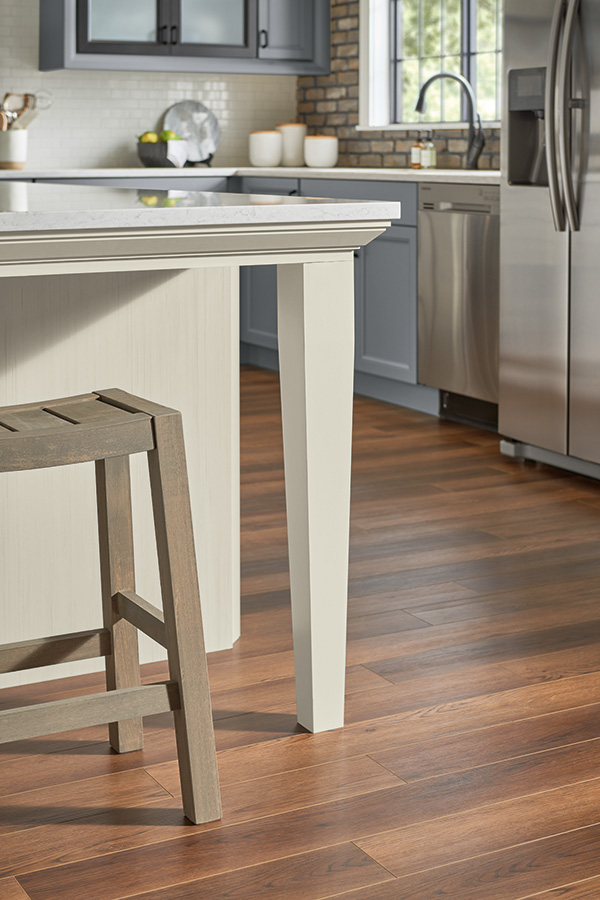
Elevation and Security Factors To Consider
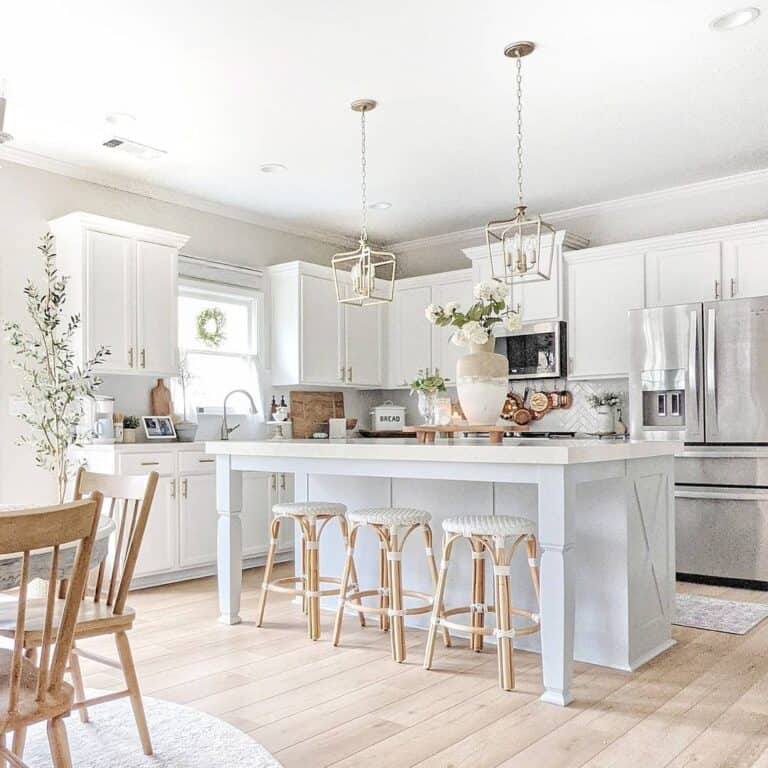
The legs of the cooking area island ought to offer adequate assistance, ensuring that the structure can withstand day-to-day usage without changing or wobbling. Material choice plays a significant duty in stability; metal legs, for instance, often tend to provide higher stamina contrasted to timber.
Matching Your Kitchen Area Visual
Choosing the appropriate legs for your kitchen island goes beyond functionality; it additionally plays a significant role in the total aesthetic of the room (Legs For Kitchen Island). When picking legs, take into consideration the design style of your cooking area.
Shade is an additional essential factor. Legs that complement or contrast with your island's surface area and bordering cabinetry can create visual consistency or striking prime focus. As an example, pairing dark wood legs with a light marble kitchen counter can add deepness and rate of interest. Furthermore, take into consideration the surface of the legs; matte, shiny, or textured surfaces can substantially impact the overall feel of the cooking area.
Setup and Upkeep Tips
Installing kitchen island legs needs mindful interest to detail to make certain both stability and aesthetic appeal. Begin by selecting an appropriate area for your island, ensuring it is level and has ample space for movement. If you are connecting the legs to a wall or utilizing brackets for included support, use a stud finder to situate wall surface studs. Mark the placement of the legs properly before boring.
When safeguarding the legs, utilize top quality screws and, if essential, wood adhesive for extra stamina. For steel legs, ensure that you are making use of appropriate anchors and devices to avoid damages to your flooring. It is advisable to look for levelness after installation, making adjustments as required to stay clear of tottering.
Upkeep is similarly crucial for long life check this site out - Legs For Kitchen Island. On a regular basis examine the legs for any signs of wear or helping to loosen, particularly in high-traffic areas. Clean the legs with an ideal cleaner, preventing rough materials that may scratch the surface. For wooden legs, take into consideration using a wood conditioner occasionally to keep their surface. By complying with these setup and maintenance ideas, you can guarantee that your kitchen area island legs continue to be both useful and visually attractive.
Final Thought
In conclusion, selecting the ideal legs for a kitchen island demands careful consideration of height, security, and Read Full Article visual compatibility. Ultimately, thoughtful leg choice plays an essential duty in raising both the usefulness and design of the cooking area area.
When choosing legs for a kitchen island, it's necessary to comprehend their practical and visual duties in the overall layout. Open, ventilated leg designs can produce a feeling of lightness, while strong, considerable legs may communicate a much more based and stable aesthetic. The legs of the kitchen area island must provide appropriate assistance, making sure that the framework can stand up to daily usage without moving or tottering.Setting up kitchen island legs requires careful attention to information to make certain both security and visual charm.In final thought, picking the appropriate legs for a kitchen area island requires careful consideration of elevation, security, and aesthetic compatibility.